Introduction
Raya Airways is a cargo airline based in Malaysia, providing freight and logistics services across regional routes. Unlike passenger carriers that naturally attract public attention, cargo airlines operate in a space where brand visibility requires deliberate effort. The airline needed to communicate its value proposition to industry stakeholders, potential partners, and recruitment candidates through professional digital channels.
The airline required a social media service to strengthen its digital presence across Facebook, Instagram, and LinkedIn. Walk Production was appointed to manage content strategy, creative production, and ongoing performance reporting across all three platforms. The project scope included content planning, graphic design, imagery curation, video editing, motion graphics, and monthly analytical reports documenting platform performance and audience growth.
Our Solutions
Content strategy and planning
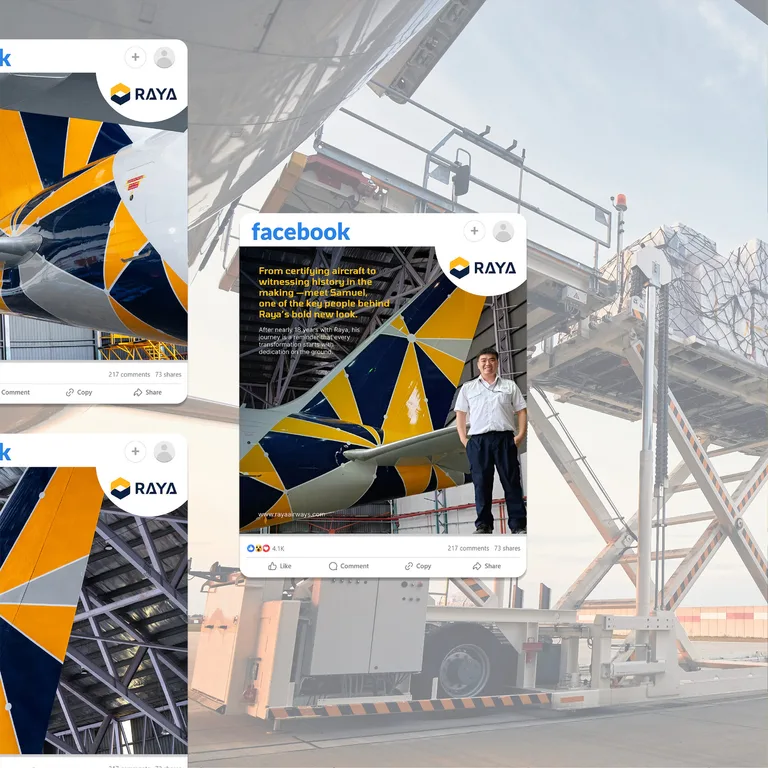
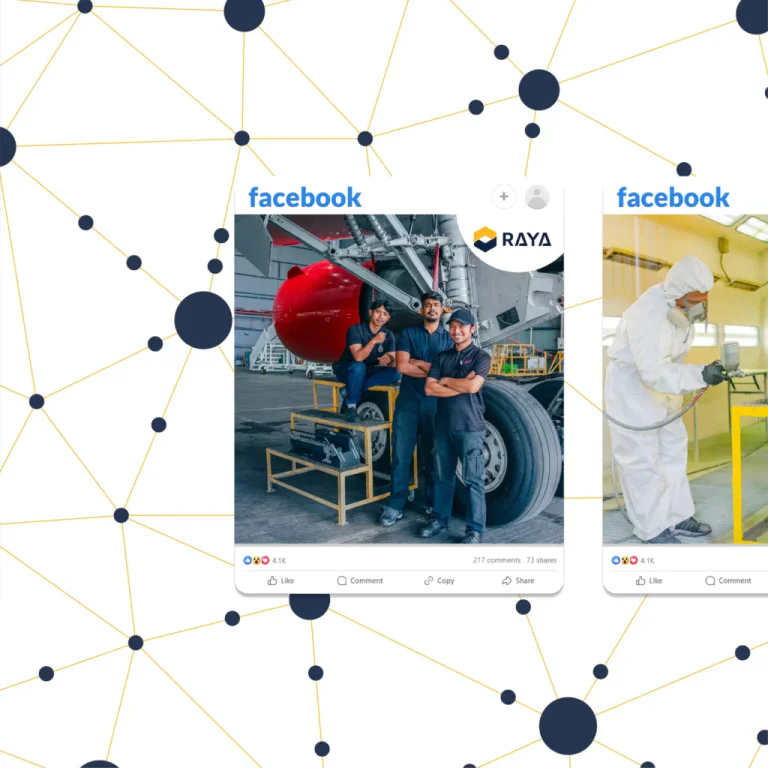
We developed a content development plan anchored in authenticity and storytelling. Monthly content calendars balanced corporate milestones with engaging lifestyle content, moving beyond static announcements to showcase the people and precision behind cargo operations. The content strategy included partnership announcements, operational highlights, employee spotlights, and behind-the-scenes features that presented the airline as a dynamic organisation.
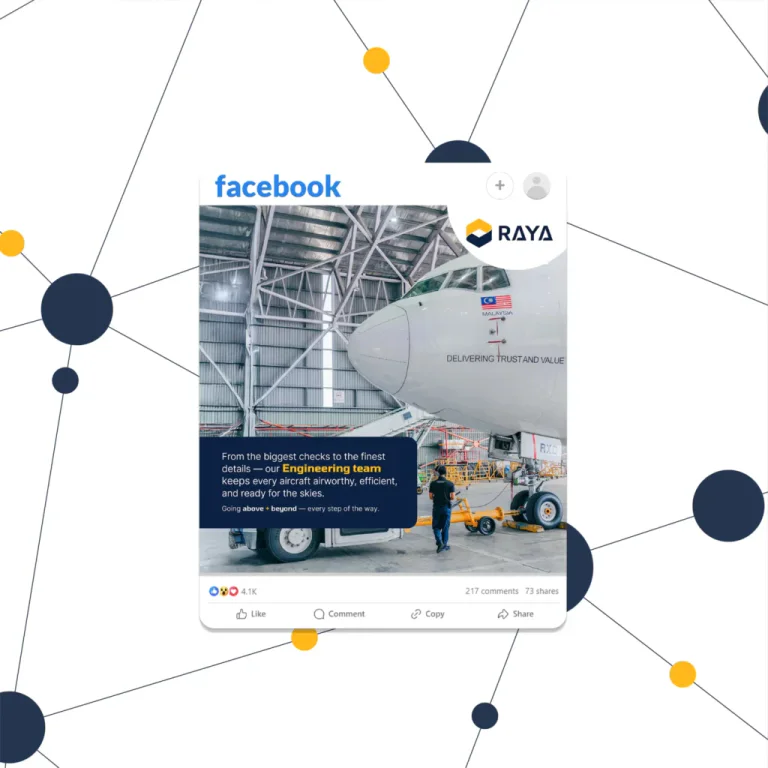
Each content pillar was mapped to specific communication objectives across the three platforms. LinkedIn content focused on industry partnerships and operational capabilities, Instagram highlighted visual storytelling through aviation imagery and crew features, and Facebook supported broader community engagement and corporate news. This platform-specific approach addressed distinct audience expectations while keeping the brand consistent.
Client-approved visual content
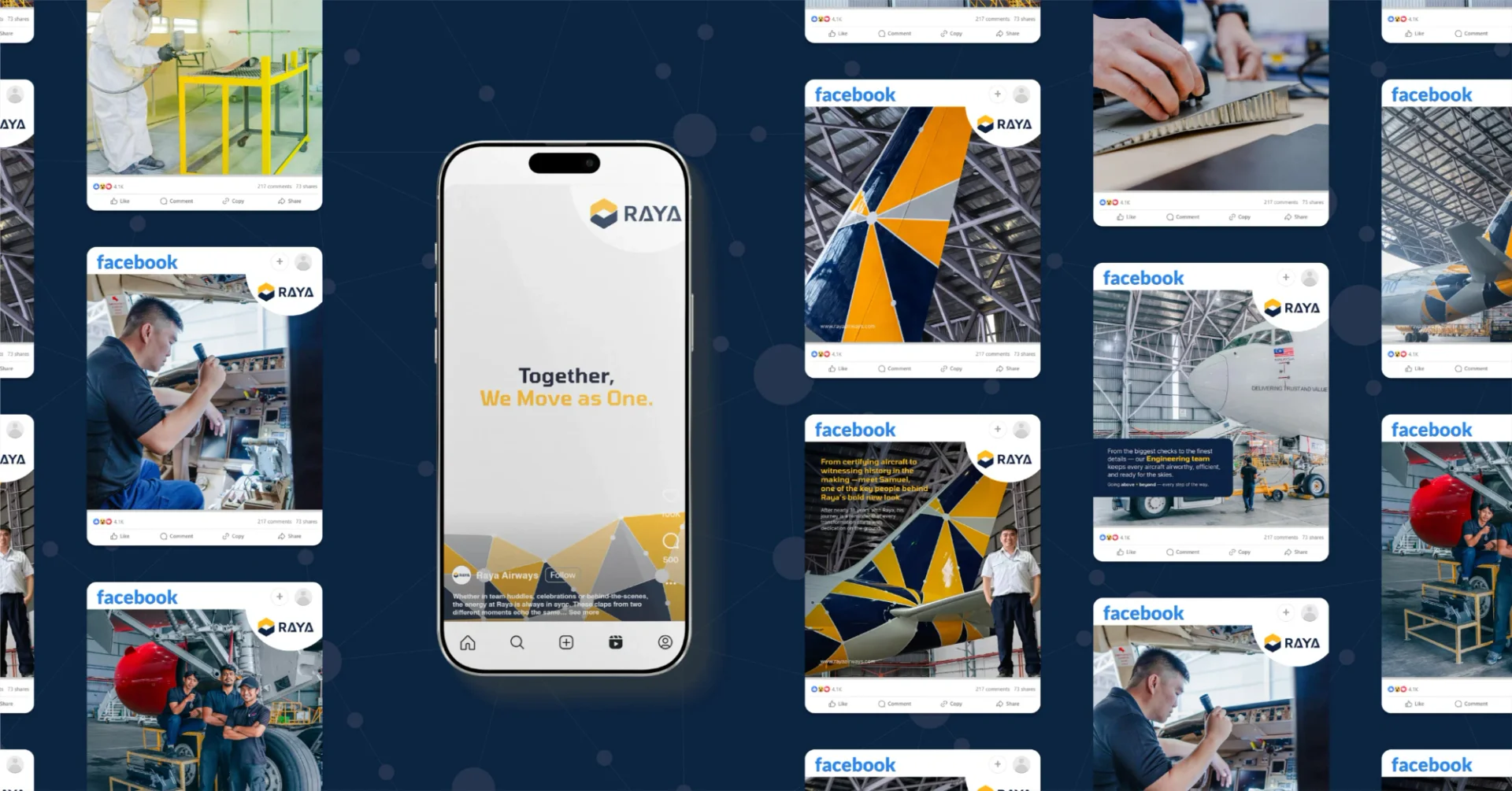
Our team worked with client-supplied and client-approved aviation imagery as the basis for authentic content. These visuals covered approved operational and team-related themes. The resulting imagery replaced generic stock visuals with approved assets that conveyed the airline’s technical environment and professional standards.
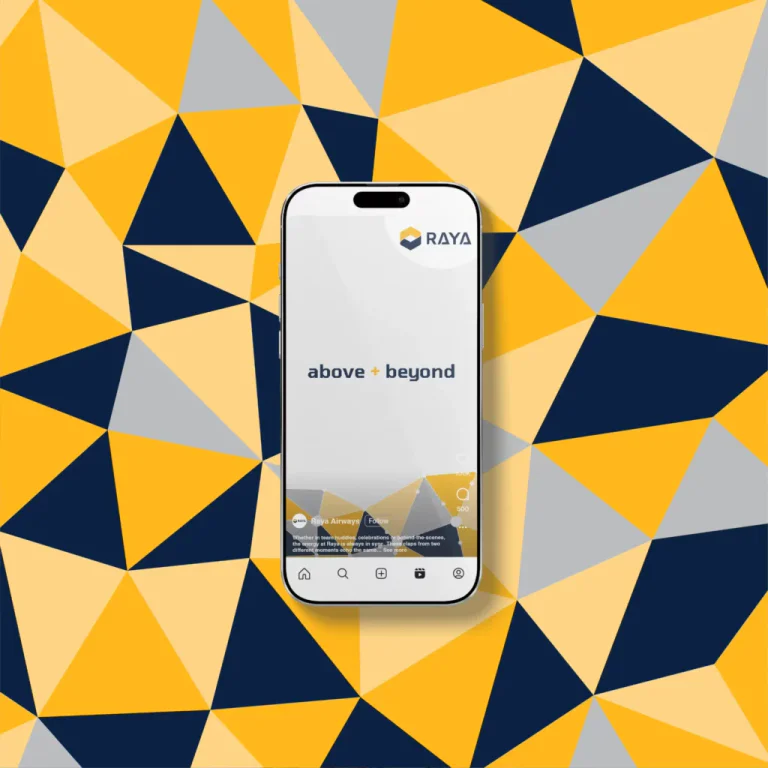
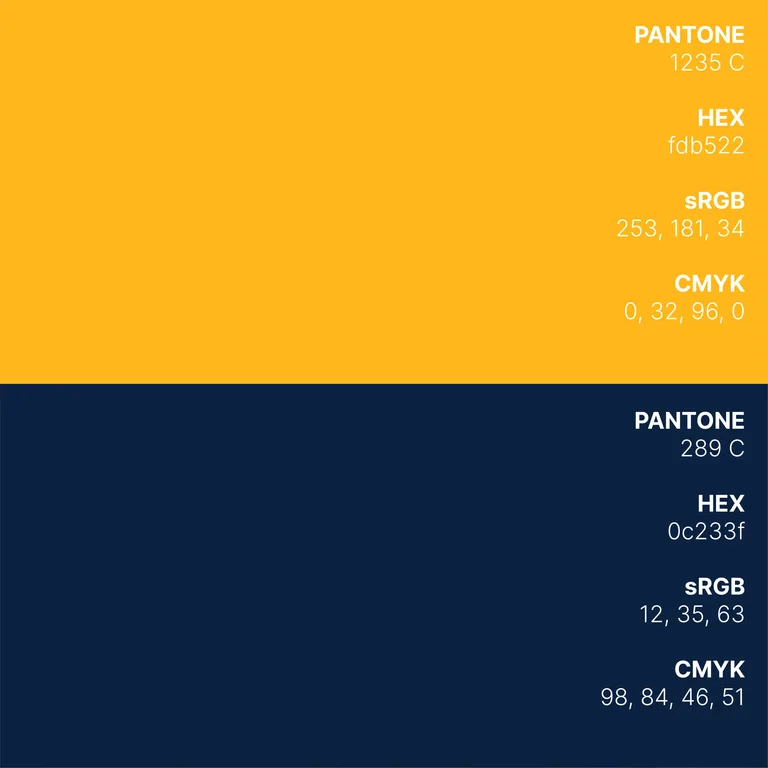
Our design team produced a range of assets, from static graphics and carousel posts to motion visuals, each built to communicate technical aviation processes in accessible, visually compelling ways. A consistent social-first brand identity held across platforms while layouts adapted to different content types and audience segments.
Video production and monthly reporting
We produced post-production editing work and motion graphics using approved source material. These assets helped humanise the brand by presenting the people and expertise behind the airline’s work. Video content was optimised for each platform’s format requirements and audience viewing patterns.
Detailed monthly insight reports tracked performance across Facebook, Instagram, and LinkedIn. These reports covered reach, impressions, engagement rates, and follower growth, broken down by content type and platform. The reporting framework provided actionable data for ongoing content refinement, helping the team identify the most effective themes and formats for each audience segment.
The Results
The ongoing management supported brand visibility and audience interaction across all platforms. Consistent delivery of authentic aviation content through client-approved imagery and edited video presented Raya Airways as a dynamic and credible player in the cargo aviation sector. Outcomes vary by platform, audience, and market conditions, and individual results cannot be guaranteed.
LinkedIn content was aimed at industry professionals and potential partners, with reach reported monthly from platform data. The social media presence now functions as an effective communications channel supporting the airline’s broader corporate objectives, talent acquisition efforts, and industry relationship building.
Project Gallery
Related Questions
Why do cargo airlines need social media?
Cargo airlines use social media to build brand awareness among industry stakeholders, potential partners, and recruitment candidates. A consistent digital presence helps communicate operational capabilities, company culture, and industry expertise to audiences who may not encounter the brand through traditional passenger touchpoints or conventional marketing channels.
What content works for aviation brands on social media?
Aviation brands benefit from behind-the-scenes content, team spotlights, operational highlights, and partnership announcements. Client-approved imagery showing real aircraft, crew members, and ground operations can support authenticity. Content that humanises the brand and showcases technical expertise resonates with both industry professionals and general audiences.
How important are original visuals for aviation social media?
Client-approved imagery is valuable for aviation brands because it demonstrates authenticity and operational credibility. Stock imagery often appears generic and fails to capture specific aircraft, facilities, and team members. Original visual assets, where supplied or approved by the client, help differentiate the brand and build trust with professional audiences.
Which platforms matter most for B2B aviation companies?
LinkedIn is particularly effective for B2B aviation companies as it reaches industry professionals, potential partners, and corporate decision-makers. Facebook and Instagram support broader brand awareness and recruitment efforts. A multi-platform approach allows companies to address different audience segments with appropriate content formats.
What should monthly social media reports include?
Monthly reports typically cover reach, impressions, engagement rate, follower growth, and content performance rankings, often reviewed alongside content marketing outcomes. For B2B brands, engagement quality matters alongside volume metrics. Reports should include audience demographic insights and recommendations for content refinement based on performance data and platform trends.