Introduction
TGA is a Malaysian automotive detailing company that works mainly with car dealerships, keeping showroom and fleet vehicles in presentable condition. As its dealership and corporate client base grew, the brief was to upgrade the brand identity to match the standard those clients expect, whilst keeping the focus on its core detailing services.
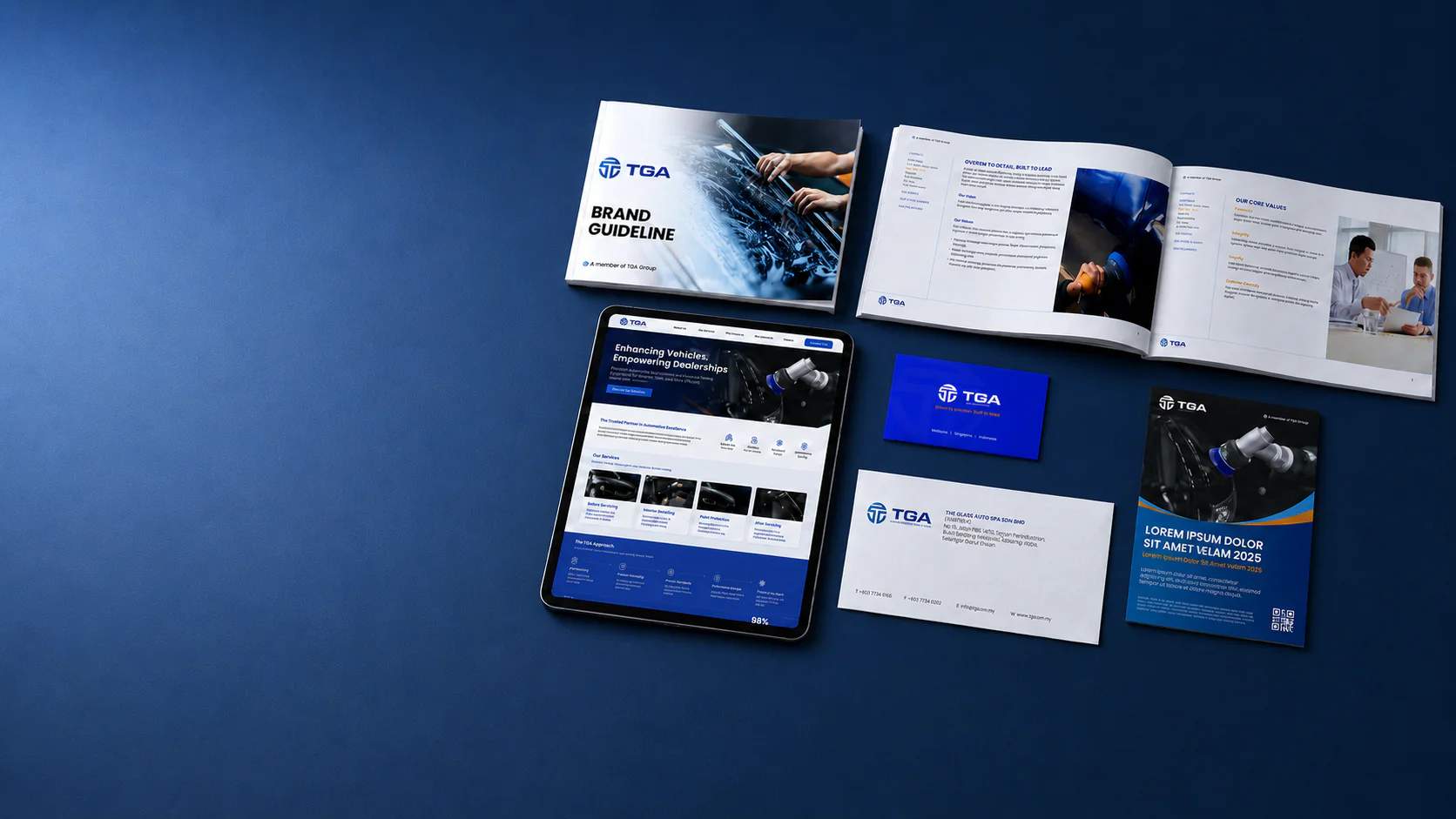
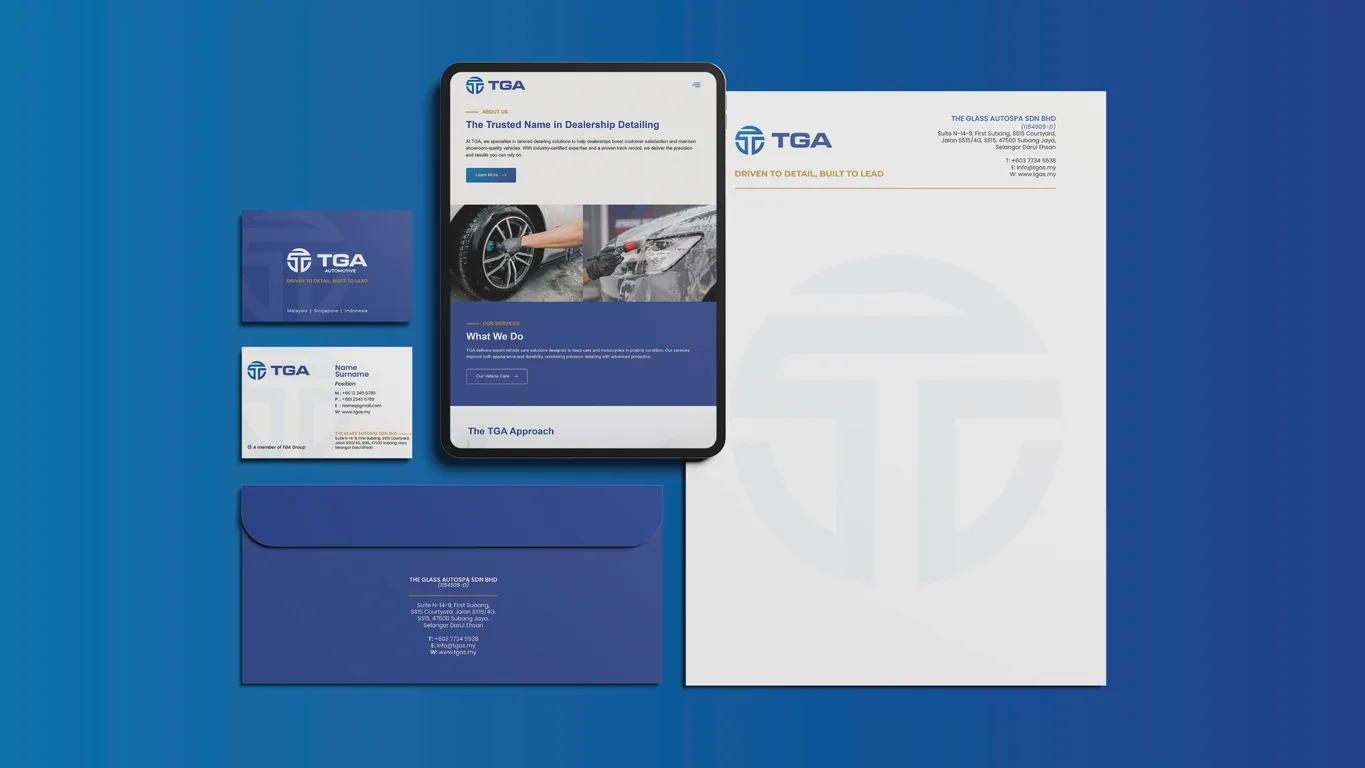
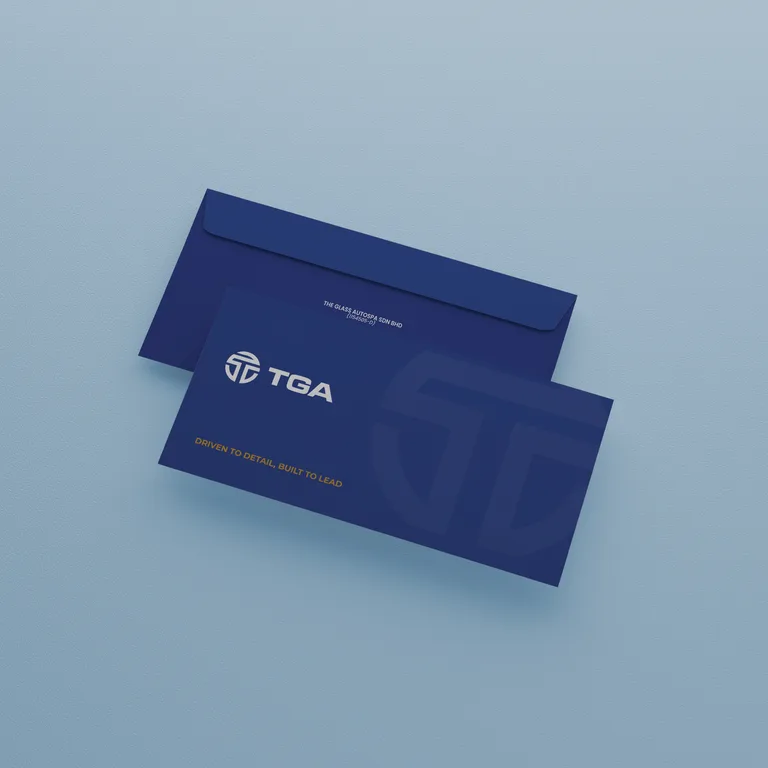
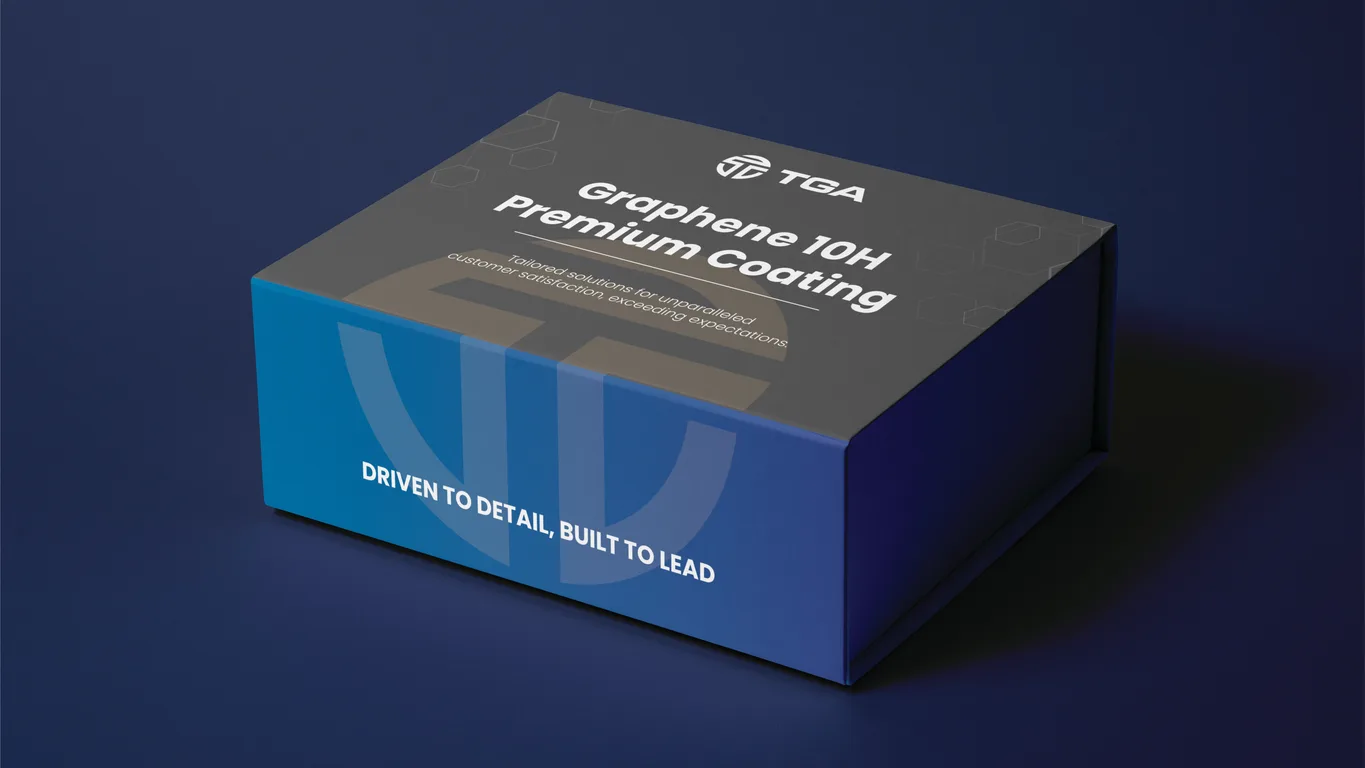
Walk Production was appointed to run a rebrand covering the logo, corporate identity, brand manual, company profile, PowerPoint master slides, product packaging and corporate website. The brand line “Enhancing Vehicles, Empowering Dealerships” sits at the centre of the identity, with the supporting line “Driven to Detail, Built to Lead” carried across the stationery, the letterhead, the envelopes and the product packaging. Together they state what TGA does for its dealership clients and the standard it holds itself to.
Our Solutions
Logo, identity system, packaging
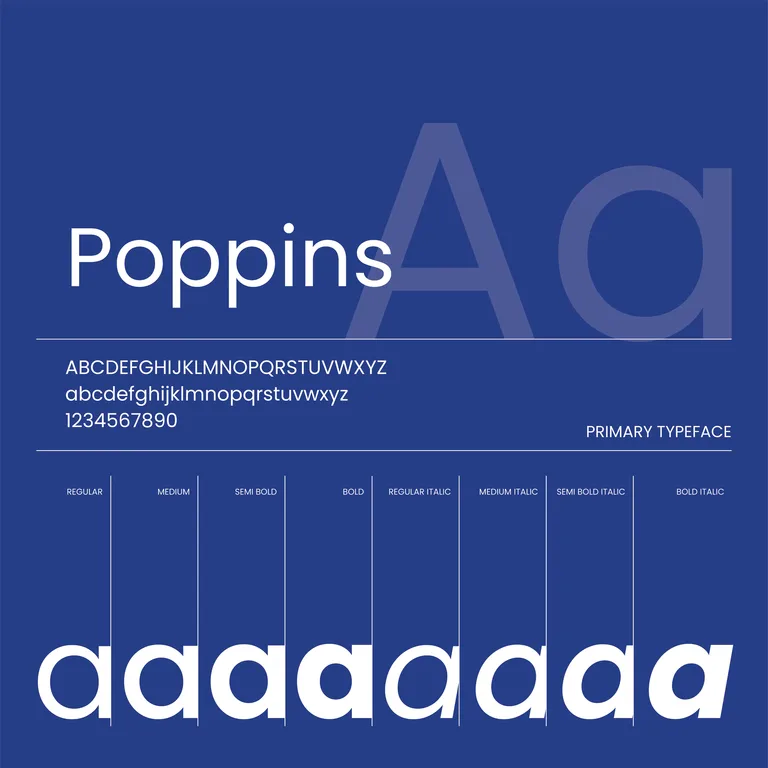
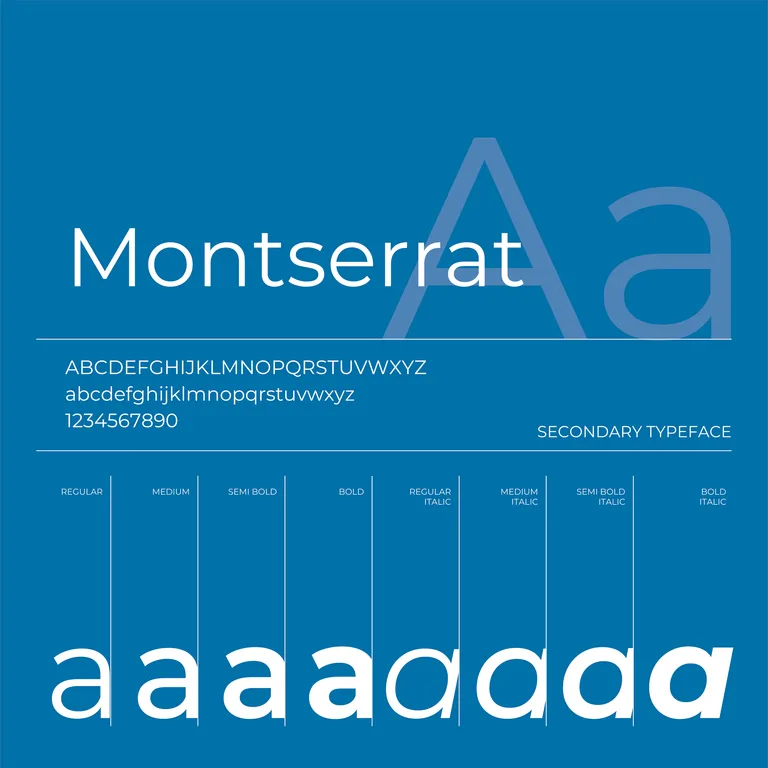
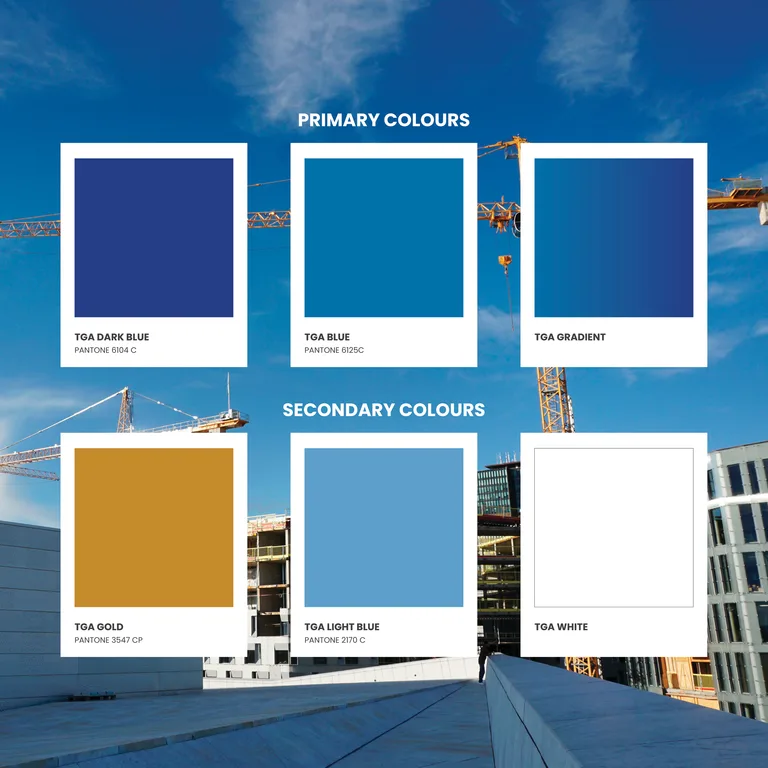
The new TGA logomark replaced the legacy wordmark with a higher-contrast lettering treatment. The palette pairs a blue gradient with a gold accent. Poppins is the primary typeface across corporate touchpoints and Montserrat the secondary, each specified across eight weights, with hierarchy rules for headings, sub-headings and body text in print and on screen.
Packaging for TGA’s care products was redrawn to match. The system keeps the same logomark and typography across the range and varies the palette by product category, so labels stay consistent as the range grows.
Brand manual, profile, website
The brand manual was written for a client whose team would mostly self-execute future collateral. Logo lockup rules cover the application range from print to digital. Colour and typography are specified with usage scenarios.
The corporate profile and PowerPoint master deck were built as the team’s pitch toolkit for new dealership and fleet accounts. The deck covers company background, service capabilities and case examples. The corporate website mirrors the same narrative, so a dealership researching TGA reaches a consistent picture across the deck and the site.
The Results
After delivery, the TGA team had a complete kit of marketing materials to carry into client meetings: the brand manual, company profile, master deck, packaging system and corporate website. The new identity rolled out across every customer-facing surface in a single launch.
With the rebrand in place, TGA pitches dealership and fleet accounts from one consistent identity instead of the mixed materials it carried before.
Project Gallery


Related Questions
What is “Driven to Detail, Built to Lead” trying to say?
It names both halves of the promise in one line: the standard of the work itself, and the position TGA wants among the dealerships it serves. The line had to read on a workshop sign and on a dealership proposal cover without sounding like two different companies.
Why blue and gold for the palette?
Blue holds up on a corporate document. Gold reads as the finished, polished surface the work produces. Together they let the brand speak to dealership buyers and to drivers without needing two separate palettes.
Why was packaging part of the rebrand rather than a phase two?
TGA’s care products were already in customers’ hands under the older identity. Packaging is a customer-facing surface, so leaving it on the legacy brand would have undercut the rest of the rollout. The brief put packaging in the launch so every surface switched over at once.